
Summer Survival Guide for Your Lawn
Summer heat and drought stress can take a toll on even the healthiest lawns. With the right care strategy, you can keep your grass green and growing through the hottest months of the year.
1. Water Deeply and Infrequently
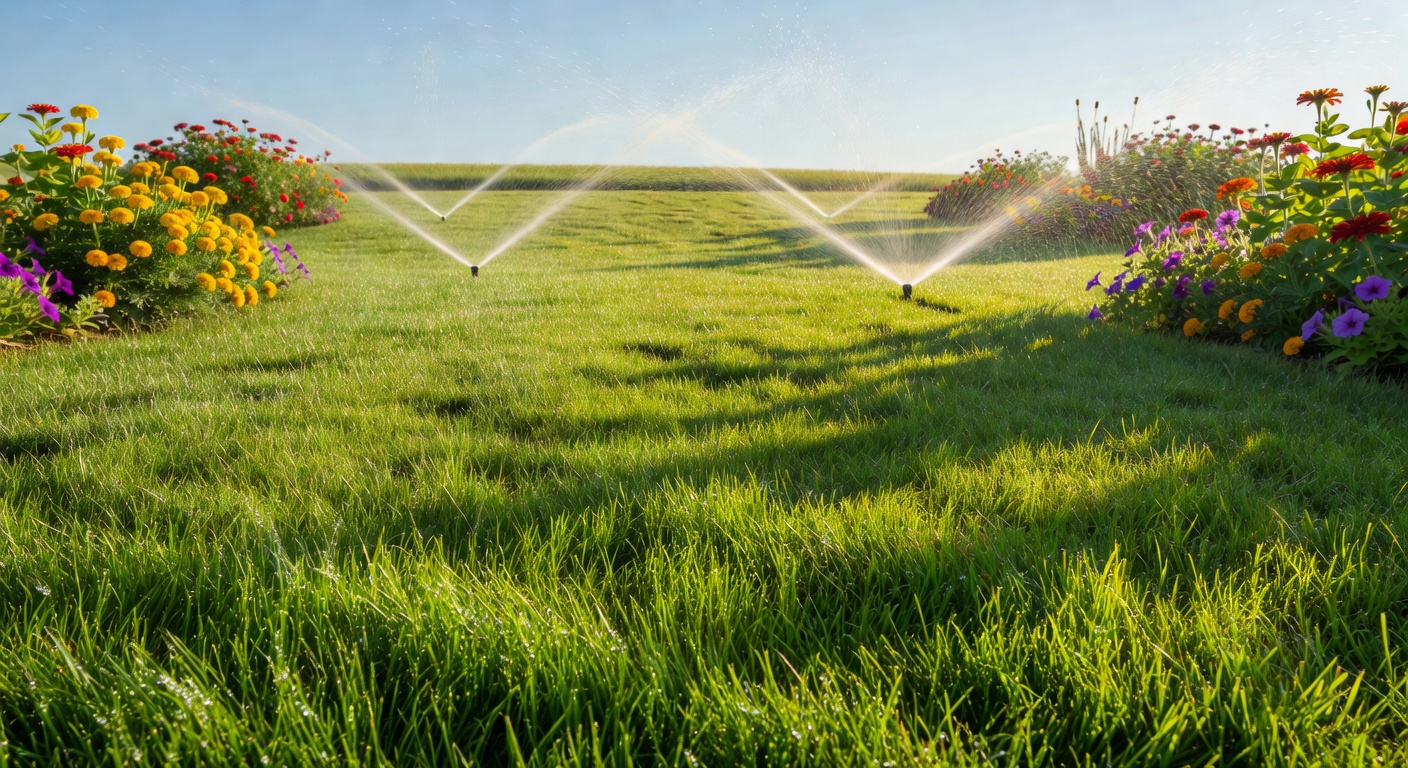
The key to summer lawn health is deep, infrequent watering rather than light daily sprinkling. Aim for 1-1.5 inches of water per week, applied in 2-3 sessions. This encourages deep root growth and drought tolerance. Water early morning (5-9 AM) to minimize evaporation and fungal issues.
3. Mow High and Keep Blades Sharp
Set your mower to the highest recommended setting for your grass type – typically 3-4 inches. Taller grass shades the soil, reducing water loss and heat stress. Keep mower blades sharp; dull blades tear grass, creating brown tips and opening wounds for disease.
4. Don't Over-Fertilize in Heat
Avoid applying nitrogen fertilizer during summer heat waves. Fertilizer stimulates growth that stressed grass can't support, potentially causing more harm than good. If feeding is needed, use a light application of slow-release fertilizer during cooler periods.
5. Watch for Pests and Disease
Summer stress makes lawns vulnerable to insects and fungal diseases. Watch for brown patches, chewed blades, or unusual spotting. Grubs, chinch bugs, and fungal issues like brown patch are common summer problems that need prompt attention.
6. Minimize Traffic on Stressed Grass
During heat and drought, grass is in survival mode. Minimize foot traffic, especially during the hottest parts of the day. Consider temporary pathways for high-traffic areas to protect struggling turf.
When to Call for Help
If your lawn shows signs of severe stress – widespread browning, persistent thin areas, or pest damage – professional intervention may be needed. Turf Ninjas offers summer lawn care programs including proper watering guidance, targeted treatments, and recovery programs for stressed lawns.
Remember, even dormant brown grass often recovers when conditions improve. The key is preventing permanent damage and giving your lawn the best chance to bounce back when cooler, wetter weather returns.